
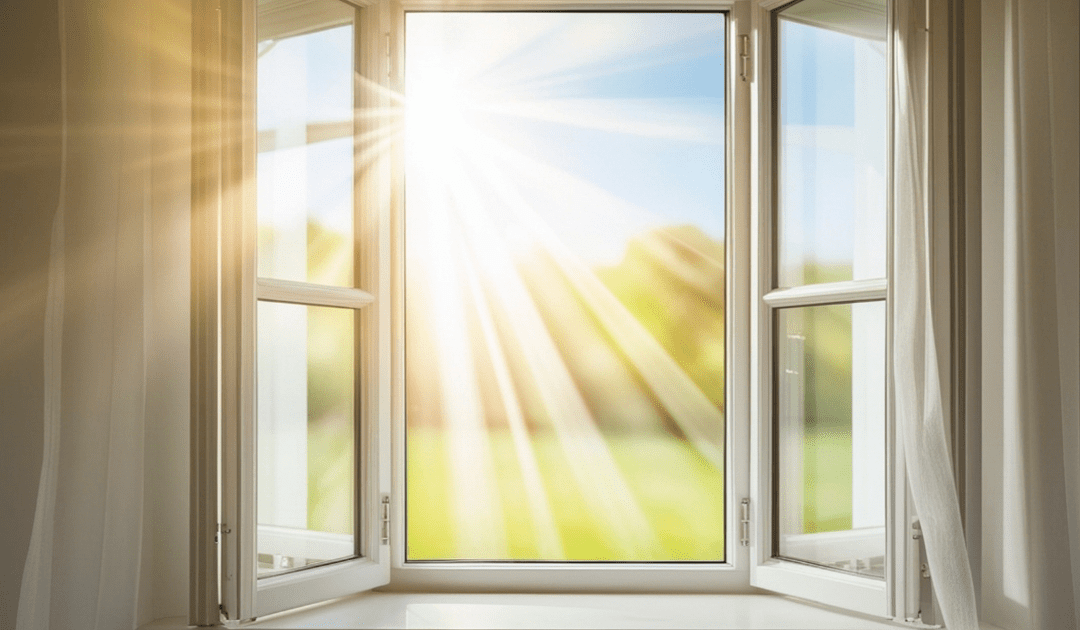
A south-facing room is a lovely thing for most of the year, flooding your home with natural light and making the most of every hour of sunshine. But come summer, that same advantage can turn a living room, bedroom or conservatory into an uncomfortably warm space. If you’ve ever walked into a south-facing room on a sunny afternoon and felt the heat hit you, you’re dealing with what’s known as solar heat gain, and the good news is that it’s a problem with some genuinely effective solutions.
Why South-Facing Glass Heats Up So Fast
Heat finds its way into a home through windows in a few different ways. The main culprit is solar radiation: sunlight passes through the glass and is converted into heat once it’s inside the room, which is why a sunny window can act a bit like a magnifying glass for warmth.
Older or single-glazed windows make this worse, as they offer far less resistance to heat passing through than modern insulated glazing. Gaps and draughts around tired window frames can also let warm outdoor air seep in, adding to the problem. South-facing windows bear the brunt of all this because they receive the most direct sunlight throughout the day, and conservatories or extensions with glass on multiple sides can heat up even faster, since there’s simply more glazing for the sun to act on.
Glazing Solutions That Actually Solve the Problem
While shading and ventilation help on the day, the most lasting improvements come from the glass itself. Modern double glazing with a solar control or Low-E coating is one of the most effective upgrades available, as the coating reflects a significant amount of infrared heat back outside while still allowing natural light into the room. This is particularly worthwhile for conservatories and glass-heavy extensions, where the sheer volume of glazing means even a small improvement in performance makes a noticeable difference to comfort.
If you live in a period property and replacing the original windows isn’t an option, secondary glazing offers a way to add an extra layer of insulation and heat resistance without altering the look of the building. The key benefit of any of these glazing upgrades is that the problem is solved at the source, rather than managed after the heat has already entered the room.
Everyday Habits That Help Between Upgrades
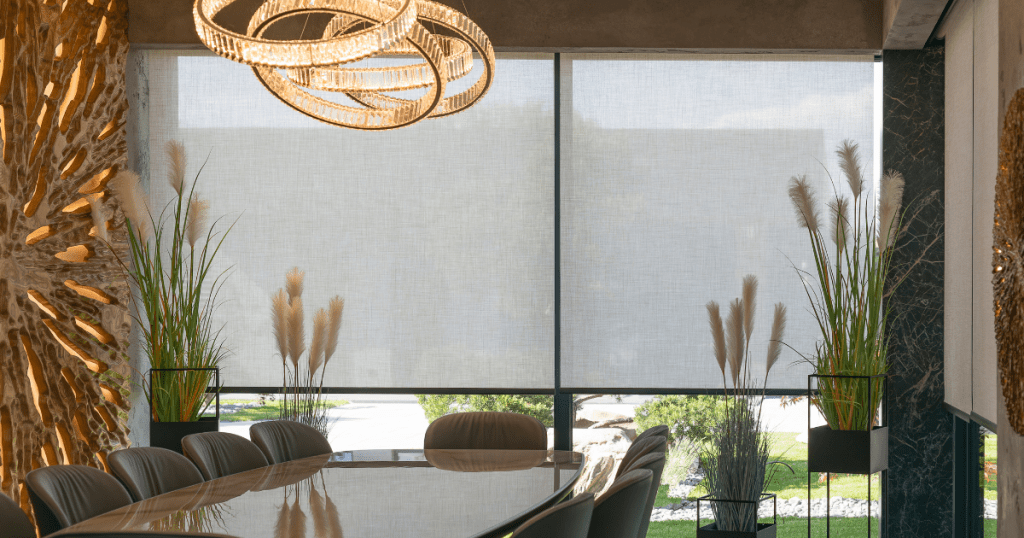
Even with excellent glazing, a few simple habits make a real difference on the hottest days. Shading your windows from the outside, whether with awnings, external blinds or shutters, is one of the most effective steps you can take, as it stops the sun from heating the glass in the first place.
Internal blinds, curtains and window film are useful too, particularly as lower-cost options, although they tend to work best when paired with some form of external shading rather than relying on them alone.
Ventilation timing matters just as much: opening windows in the early morning or evening, when the outside air is cooler than the air indoors, helps clear out built-up heat, while keeping everything closed and shaded during the hottest part of the day prevents more heat from getting in. None of these habits need to cost much, but used consistently, they can take the edge off even the warmest south-facing rooms.
Final Thoughts
Overheating in a south-facing room isn’t something you simply have to put up with each summer. A combination of the right glazing and a few sensible daily habits can make a real difference to comfort, and the same solar control coatings that keep heat out in summer also help retain warmth in winter, making it a genuinely year-round investment.
If you’re considering upgrading your windows or conservatory, our team at Bingley Windows & Glass would be happy to talk through the options best suited to your home.
If you’d like to book in an initial consultation you can contact our team using the contact form here, or call us on 01535 958 183 to arrange a free consultation.