
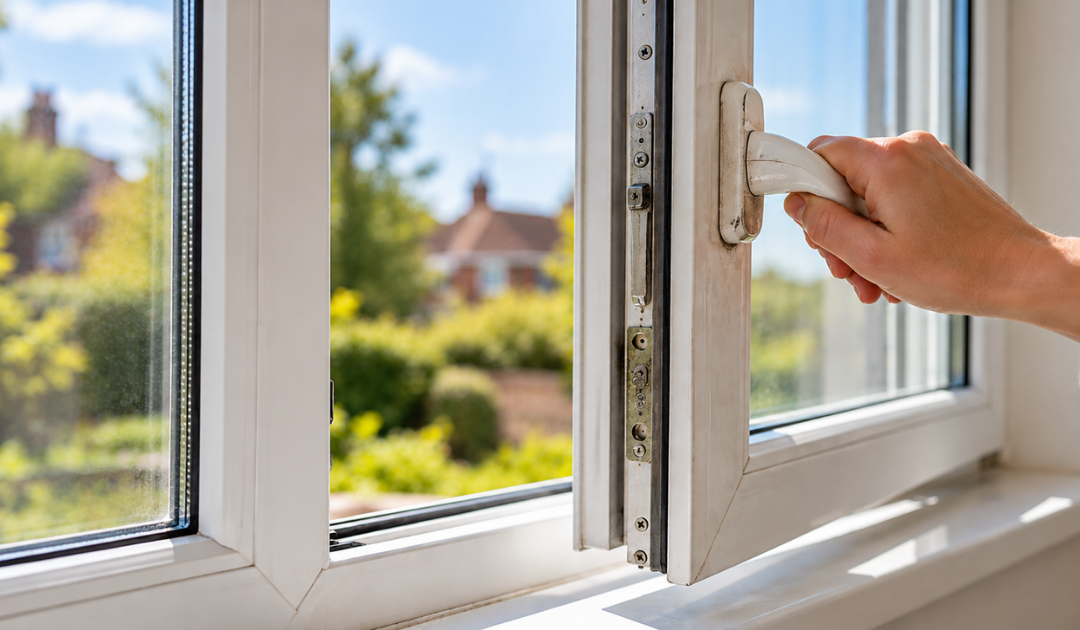
Windows should open and close smoothly, so when they begin sticking, catching on the frame or becoming difficult to lock, it is usually a sign that something needs attention. The cause may be relatively minor, such as a hinge requiring adjustment, or it could indicate that components are becoming worn. Identifying the problem early can of course make the window easier to use but it also potentially prevents further damage too.
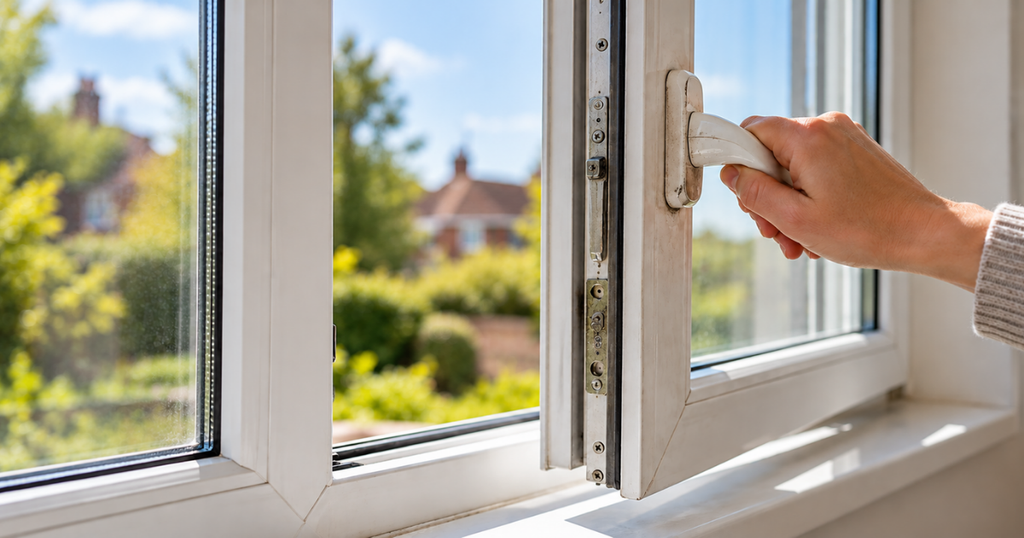
Common Reasons Why Windows Become Stiff or Difficult to Operate
There are several reasons why a window can become increasingly difficult to operate. One common problem is a dropped or misaligned sash. Over time, the opening section of the window can move slightly out of position, causing it to catch against the surrounding frame when opened or closed.
Hinges can also become worn, damaged or stiff, while dirt and debris around moving components can affect operation. Problems with the handle or locking mechanism may create similar symptoms. If a handle becomes unusually stiff, for example, the problem could lie within the multipoint locking system rather than the handle itself.
Window seals can deteriorate over time too, occasionally causing additional resistance. Changes in temperature can also cause some window materials to expand and contract slightly. Whatever the cause, repeatedly forcing a window open or closed risks damaging its hardware and making the original problem worse.
Can a Difficult-to-Open Window Be Repaired?
A stiff window does not necessarily mean that you need an entirely new window. Many common problems can be repaired, particularly when the frame and glazing remain in good overall condition.
Depending on the cause, the solution might involve cleaning and lubricating appropriate moving components, adjusting or replacing hinges, realigning the sash, or replacing a faulty handle or locking mechanism. Worn seals can also be replaced where necessary.
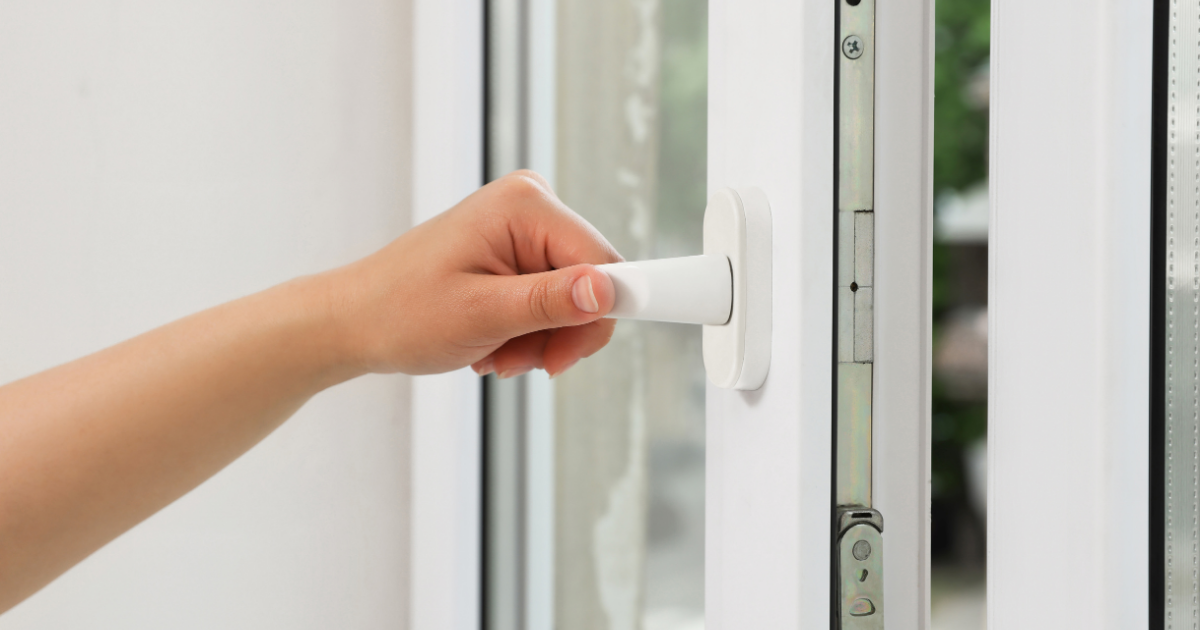
While basic cleaning and maintenance can sometimes help, more significant alignment or hardware problems are best assessed by an experienced window professional. Continuing to force a stiff window can put additional pressure on handles, locks and hinges, potentially turning a relatively straightforward repair into a more expensive problem.
When Is It Time to Consider Replacing Your Windows?
Sometimes, repairing individual components is the most practical option. However, if your windows are older and experiencing several problems simultaneously, replacement may offer better long-term value.
Alongside difficulty opening and closing, look for other signs of deterioration. These can include noticeable draughts, damaged or warped frames, recurring problems with locks and hinges, condensation between the panes of glass, or a general decline in thermal performance.
Modern replacement windows can provide smoother operation alongside improved security and energy efficiency. The important thing is to consider the overall condition of the window rather than assuming that stiffness alone means replacement is necessary. A professional assessment can help establish whether repairing existing components remains worthwhile or whether investing in new windows would provide a more reliable long-term solution.
Final Thoughts
A window that becomes stiff, catches against its frame or requires excessive force to close should not be ignored. Problems with alignment, hinges, handles, locks and seals can often be addressed before they develop into more serious faults.
If your windows are becoming increasingly difficult to operate, here at Bingley Windows & Glass, we can help you understand your options. Whether the problem can be resolved through attention to individual components or your property would benefit from replacement windows, getting professional advice can help you find a practical solution and keep your home secure, comfortable and energy efficient.
If you’d like to book in an initial consultation you can contact our team using the contact form here, or call us on 01535 958 183 to arrange a free consultation.