
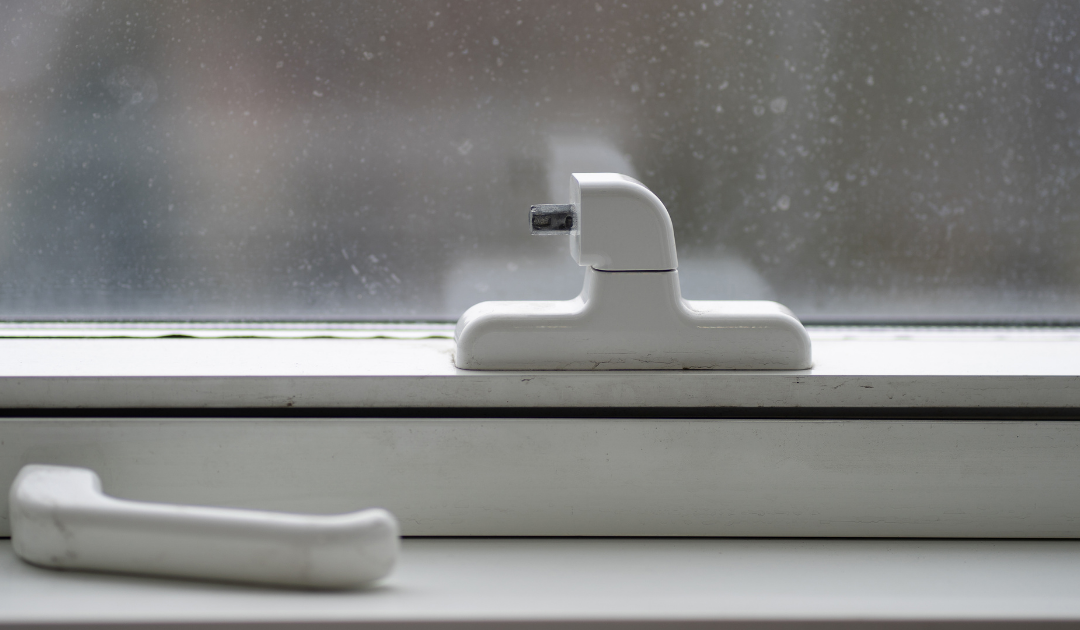
Windows play an important role in keeping your home warm, secure and comfortable, so when something goes wrong, it can be tempting to assume replacement is the only answer. Fortunately, many common window problems can be repaired relatively easily. However, persistent faults can indicate that your windows are approaching the end of their useful life. Here are five common problems and whether you should consider repairing or replacing them.
- Condensation Between the Glass
Condensation on the inside of a window is often caused by excess moisture in the home and doesn’t necessarily indicate a problem with the window itself. However, condensation or misting between the panes of double glazing is different. It usually means that the seal around the glazed unit has failed, allowing moisture to enter.
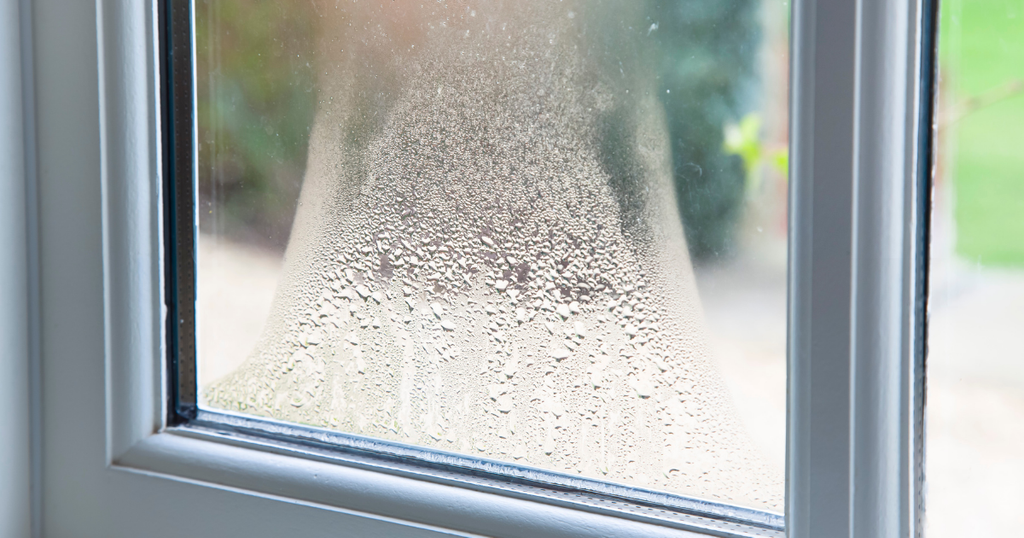
In many cases, the sealed glass unit can be replaced without replacing the complete frame. If your windows are older and experiencing several other problems, however, replacing the complete window may prove better value.
- Draughts Around Your Windows
Feeling a noticeable draught around a closed window can make rooms less comfortable and potentially increase the energy required to heat your home. The cause could be relatively simple, such as worn seals, damaged weatherstripping or a window that is no longer closing correctly.
Replacing seals or adjusting the window may solve the problem. Persistent draughts from older windows can indicate distorted or deteriorating frames, in which case upgrading to modern double glazing could provide a more effective long-term solution.
- Windows That Are Difficult to Open or Close
A window becoming stiff doesn’t necessarily mean it needs replacing. Dirt, debris, stiff hinges, poor lubrication or slight misalignment can all make windows harder to operate and can often be addressed through basic maintenance or adjustment.
Problems become more serious when the frame or sash itself has warped or deteriorated. Timber frames can swell, while ageing uPVC windows may develop alignment or hardware issues. If repairs only provide a temporary fix, replacement could be the more practical option.
- Broken Handles, Hinges and Locks
Handles, hinges and locking mechanisms are used repeatedly throughout the life of a window, so some wear is inevitable. A broken handle or stiff hinge can often be replaced individually, making repair a sensible first option when the rest of the window remains in good condition.
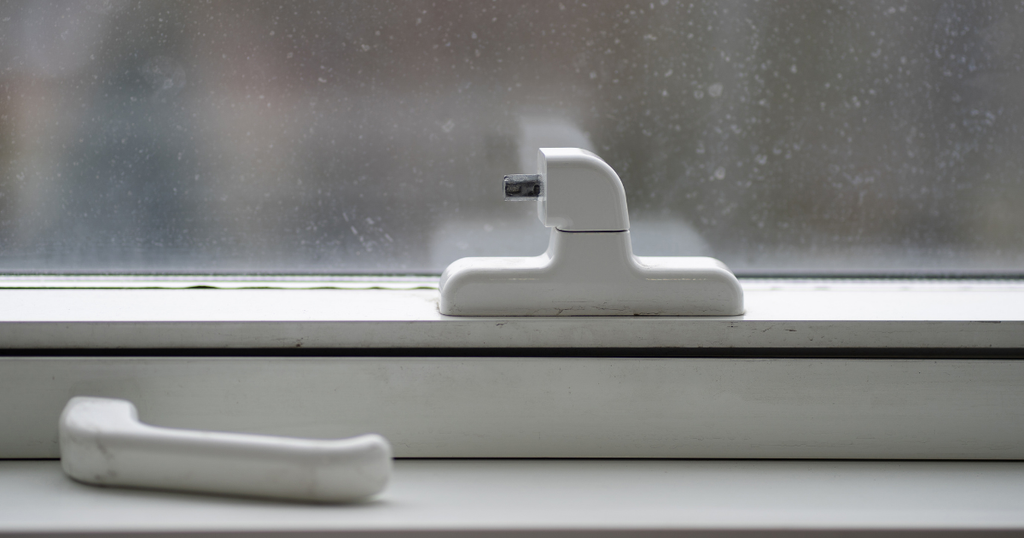
However, repeated hardware failures can sometimes point towards wider problems. If damaged frames or poor alignment prevent the window from closing and locking securely, replacing the complete window may offer better security and reliability.
- Cracked, Damaged or Deteriorating Frames
The condition of the frame is particularly important when deciding whether to repair or replace a window. Minor cosmetic damage may be repairable, but significant cracks, warping or deterioration can affect weather resistance, security and energy efficiency. Timber windows can also suffer from rot if moisture penetrates the material.
Where deterioration is extensive or affects the structural integrity of the window, replacement is generally the more appropriate solution. New windows can also provide an opportunity to improve insulation, security and appearance.
Final Thoughts
Not every window problem requires a complete replacement. Components such as hinges, handles, locks, seals and even sealed glass units can often be repaired or replaced individually. The important thing is to consider the age and overall condition of the window alongside the individual fault.
If problems are becoming frequent, your windows are noticeably deteriorating or they are no longer providing the insulation and security your home needs, replacement may be the better long-term investment. Here at Bingley Windows & Glass, we can help you explore your options, with quality double glazing solutions designed to improve the comfort, security and efficiency of your home.
If you’d like to book in an initial consultation you can contact our team using the contact form here, or call us on 01535 958 183 to arrange a free consultation.
When temperatures drop, home improvements are often pushed back until spring. Window replacement is no exception, with many homeowners assuming that cold, wet weather makes installation impossible. However, this isn’t necessarily the case. Windows can be replaced throughout much of the winter, and there can even be advantages to doing the work during the colder months. The key is using an experienced installer who understands how changing weather conditions can affect the installation process.