
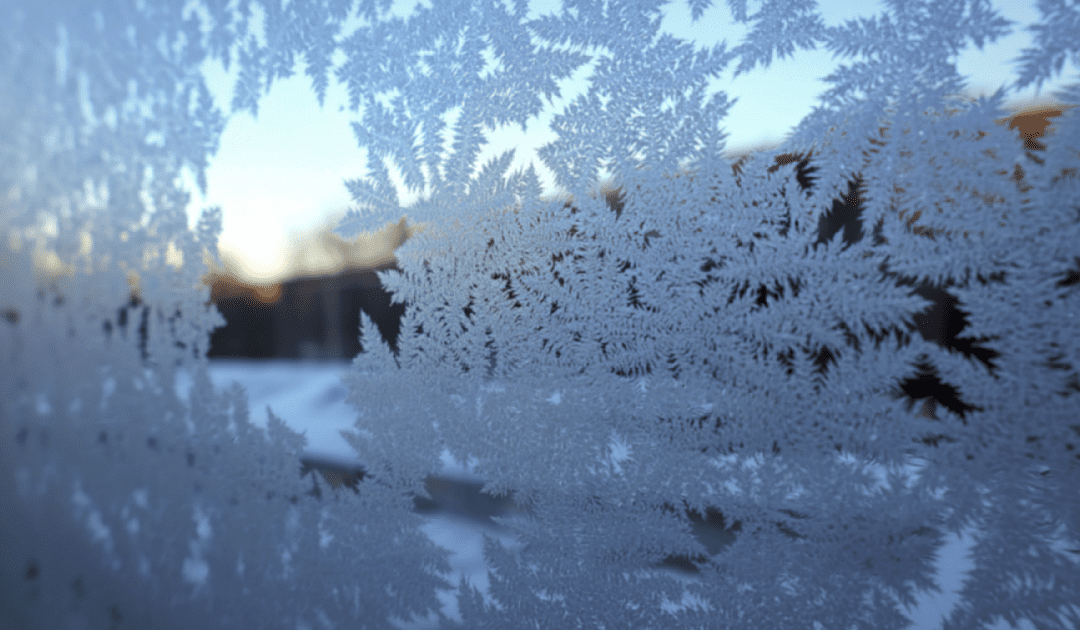
Many homeowners only start questioning their windows when winter arrives. Rooms feel colder, heating bills rise, and suddenly condensation or draughts become impossible to ignore. In reality, winter rarely creates window problems. Instead, colder weather exposes weaknesses that have often been there all along but went unnoticed during warmer months. Understanding why this happens can help you spot early warning signs and decide whether your windows are still performing as they should.
Why Cold Weather Exposes Hidden Weaknesses
During winter, the difference between indoor and outdoor temperatures becomes much greater. This contrast puts pressure on your windows, particularly older or less efficient ones. Frames and seals naturally expand and contract with temperature changes, and if seals are worn or glazing units have aged, gaps can form that allow heat to escape and cold air to enter. In summer, these issues are far less noticeable because your home is not working as hard to retain heat.
Cold weather also makes heat loss more obvious. Warm air escaping through inefficient windows creates cold spots around frames and sills, which can make rooms feel uncomfortable even when the heating is on. What feels like a general chill in winter is often a sign that your windows are no longer insulating effectively.
The Most Common Winter Window Problems
One of the most common issues homeowners notice in winter is condensation. While condensation is often blamed on the window itself, it usually indicates a combination of high indoor moisture levels and cold internal surfaces. If condensation appears regularly on your windows, it may suggest that your glazing is no longer insulating as well as it should or that ventilation needs improving.
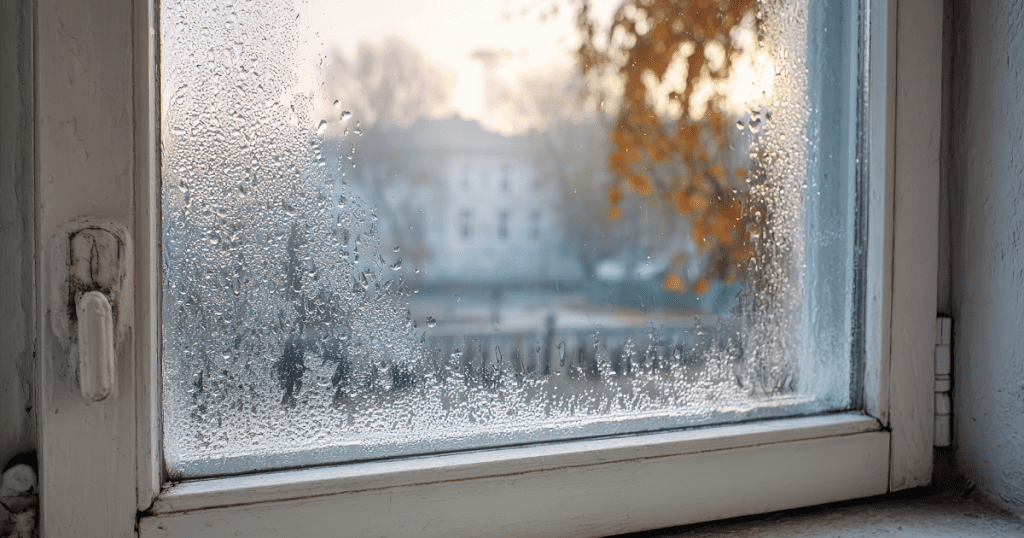
Draughts are another frequent complaint. Even small gaps around frames or failed seals can allow cold air in, making rooms feel uncomfortable and forcing your heating system to work harder. Fogging between double-glazed panes is a clearer sign of failure, as it indicates that the sealed unit has broken down and the insulating gas has escaped. Other winter symptoms include stiff handles, difficulty opening windows, or increased noise during windy conditions, all of which can point to ageing components or installation issues.
When Winter Issues Are a Warning Sign
Some winter window issues are relatively normal, but persistent or worsening problems should be treated as warning signs rather than seasonal annoyances. Regular condensation, noticeable draughts, or consistently cold areas around windows often indicate declining energy efficiency. Left unaddressed, these issues can lead to higher heating bills, discomfort, and even moisture-related damage over time.
In some cases, minor repairs or adjustments may help, but for many homeowners, older double glazing has simply reached the end of its effective lifespan. Modern uPVC double-glazed windows offer significantly improved insulation, better sealing, and higher energy ratings, helping homes stay warmer and more efficient throughout the winter. Replacing underperforming windows can make a noticeable difference to comfort and long-term running costs.
Final Thoughts
Winter has a way of revealing what summer hides. Cold weather, shorter days, and higher heating demands make it much easier to spot when your windows are no longer performing as they should. Rather than seeing these issues as temporary inconveniences, homeowners should treat them as valuable signals that something may need attention.
If your windows struggle to keep the cold out, show regular condensation, or create draughty rooms, winter is the ideal time to assess whether repairs or replacement would benefit your home. Addressing these problems now can improve comfort, reduce energy bills, and ensure your home stays warm and efficient for many winters to come.
If you want to find out more or book an assessment you can contact our team using the contact form here, or call us on 01535 958 183 to arrange a free consultation.