
Your front door does far more than provide access to your home. It helps keep your property secure, prevents heat from escaping, protects against the weather and creates the first impression for visitors. Like any part of your home that’s exposed to the elements every day, even the highest-quality front doors will eventually begin to show their age.
Knowing when it’s time to replace your front door isn’t always straightforward. While some problems are obvious, others develop gradually and can easily go unnoticed. Recognising the warning signs early can help you improve your home’s comfort, security and energy efficiency before minor issues become more expensive ones.
Your Front Door Is Showing Signs of Wear and Damage
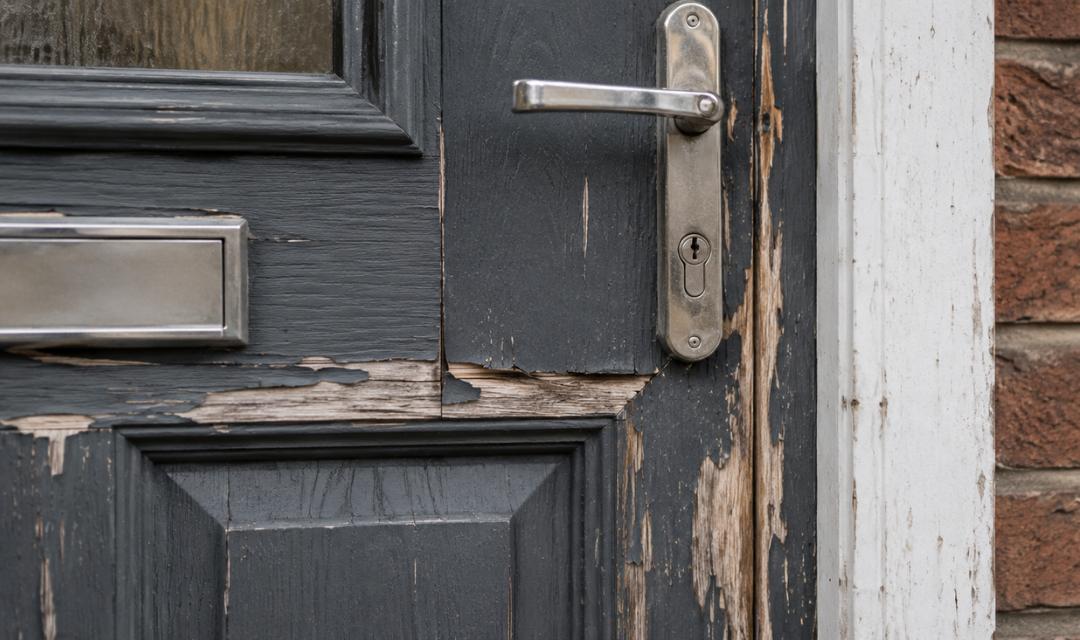
One of the clearest indicators that your front door may need replacing is visible wear and tear. Over time, exposure to rain, wind, sunlight and fluctuating temperatures can take its toll, leaving the door looking tired and performing less effectively.
Cracks, dents and warping are all signs that the structure of the door may have weakened. Timber doors can begin to rot if moisture has penetrated the surface, while older uPVC doors may become discoloured or brittle after years of exposure to UV light. You may also notice peeling paint, fading finishes or damaged seals around the frame.
If your front door includes glazed panels, condensation trapped between the panes could indicate that the sealed unit has failed. Not only does this affect visibility, but it also reduces the insulating performance of the glazing. While cosmetic damage may seem like a minor concern, it can often be a sign that the door is no longer providing the level of protection your home needs.
It’s No Longer Performing as It Should
Sometimes the biggest clues aren’t what you can see, but what you experience every day. If your front door has become difficult to open, close or lock, it’s worth investigating the cause. Doors can shift over time due to age, weather or general wear, making them harder to operate and potentially compromising security.
Draughts around the edges of the door are another common sign that it’s no longer performing efficiently. If you notice cold air entering your hallway during the winter or your heating bills have gradually increased, worn seals or an ageing door could be contributing to unnecessary heat loss.
You should also look out for water leaks during heavy rain, as well as increased outside noise making its way into your home. Modern front doors are designed with improved insulation and weatherproofing, helping to create a quieter and more comfortable living environment.
Security is another important consideration. Older doors may not offer the same level of protection as modern alternatives, which often feature robust construction and advanced multi-point locking systems. If your current door is several decades old, upgrading could provide valuable peace of mind.
A New Front Door Could Transform Your Home
Replacing your front door isn’t simply about fixing existing problems. It can also be an opportunity to improve your home in several ways.
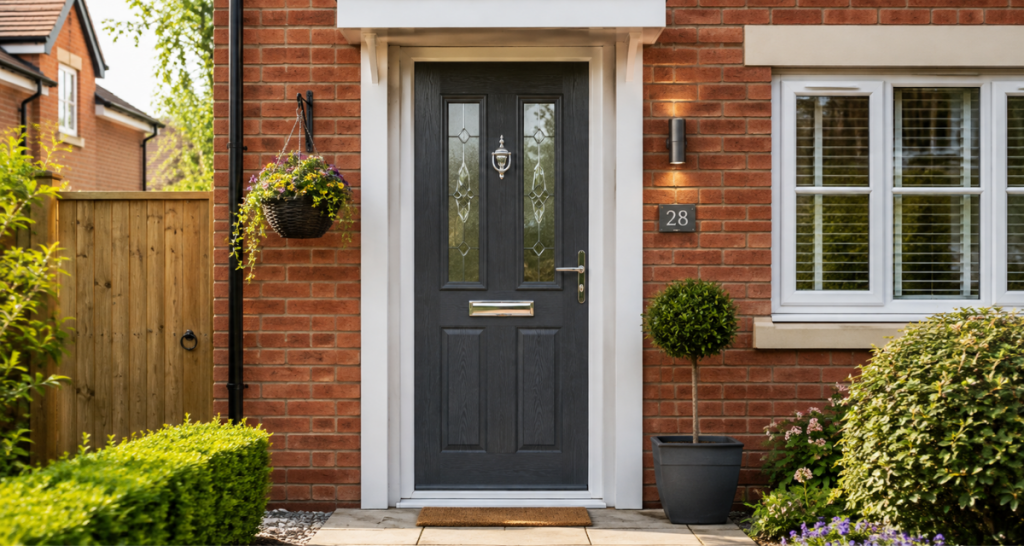
Modern front doors are built with energy efficiency in mind, helping to reduce heat loss and maintain a more consistent indoor temperature throughout the year. This can contribute to lower energy bills while making your home more comfortable in every season.
Security has also advanced considerably in recent years. Many new front doors are fitted with high-performance locking systems and durable materials that are designed to withstand forced entry far more effectively than older designs.
A new front door can also make a significant difference to your property’s appearance. As one of the first features people notice, it plays a major role in kerb appeal. Whether you choose a traditional style to complement a period property or a sleek contemporary design for a modern home, replacing an outdated door can instantly refresh your home’s exterior. With a wide range of colours, finishes, glazing options and hardware available, it’s easier than ever to find a door that suits your property and personal taste.
Final Thoughts
A front door works hard every day, so it’s natural that it will eventually need replacing. Visible damage, poor insulation, operational issues and outdated security features are all signs that it may be time to consider an upgrade.
Investing in a high-quality replacement front door can improve your home’s energy efficiency, security, comfort and appearance for many years to come. If you’ve started to notice any of these warning signs, replacing your front door now could save you money on future repairs while adding lasting value to your home.
If you’d like to book in an initial consultation you can contact our team using the contact form here, or call us on 01535 958 183 to arrange a free consultation.