
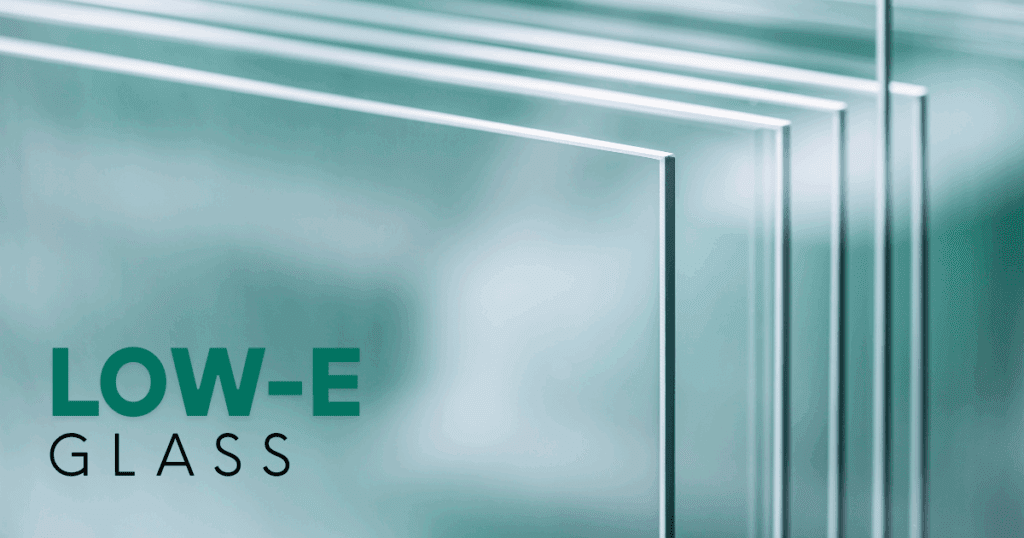
Low-E glass, short for low-emissivity glass, is a type of energy-efficient glazing designed to reduce the amount of heat that escapes through your windows. It features a microscopically thin metallic coating that reflects heat back into your home while still allowing light to pass through. From the outside, it looks just like regular glass, but it offers superior insulation. If you’re replacing your windows or building a conservatory, Low-E glass can be a smart upgrade from standard double glazing – especially if you’re aiming to improve your home’s energy efficiency.
How Does Low-E Glass Work?
Low-E glass works by managing how heat energy travels through the glass. The special coating on the inside-facing pane reflects heat back into your room during winter, helping to keep your home warmer. In summer, it helps keep excess heat out, making your living space more comfortable all year round. There are different types of Low-E coatings, including soft-coat and hard-coat varieties. Soft-coat Low-E glass tends to offer better insulation and is more commonly used in modern windows. The coating is sealed inside the double glazing unit, so it’s well protected and doesn’t affect your view.
Key Benefits of Low-E Glass
One of the main benefits of Low-E glass is its ability to significantly reduce heat loss through your windows. This improved insulation can help lower your energy bills and reduce your carbon footprint. By maintaining a more stable indoor temperature, it also makes your home more comfortable – cooler in summer and warmer in winter. In addition to thermal efficiency, Low-E glass offers protection against harmful UV rays, which can cause fading to soft furnishings, carpets, and curtains. With Low-E glass, you can enjoy natural light while keeping your interiors looking fresh for longer.
Potential Disadvantages to Consider
While Low-E glass has many benefits, it’s important to understand the potential downsides. Because of the coating, some types of Low-E glass can slightly reduce the amount of natural light entering your home. The difference is often subtle, but it may be noticeable in rooms that already lack good daylight. Another consideration is cost – Low-E glass is more expensive than standard glass due to the advanced coating technology. However, many homeowners find that the long-term savings on heating and cooling costs help offset the initial investment. In some cases, you might also notice a faint tint or reflection in the glass, though this is rarely an issue in residential settings.
Where is Low-E Glass Most Useful?
Low-E glass is a particularly good choice for homes with large glazed areas, such as bi-fold doors, conservatories, or rooms with big windows. It’s also ideal for north-facing rooms that receive less natural warmth from the sun, as it helps retain heat more effectively. In colder parts of the UK or in homes where heating bills are a concern, the thermal performance of Low-E glass makes it a worthwhile upgrade. Whether you’re planning a full window replacement or just improving one area of your home, Low-E glass can make a noticeable difference in both comfort and efficiency.
Is Low-E Glass Right for You?
Choosing the right glazing for your home involves balancing energy efficiency, budget, and aesthetics. If you’re looking to improve thermal performance, reduce energy costs, and protect your interiors from UV damage, Low-E glass is certainly worth considering. Think about which rooms would benefit most from the upgrade, and whether natural light levels are a key priority. It’s also important to work with a knowledgeable supplier who can guide you through the different specifications and help you make the right choice for your home.
How Bingley Windows & Glass Can Help
At Bingley Windows & Glass, we supply high-performance Low-E glazing solutions to both homeowners and trade customers. We use Pilkington K Glass™, one of the most trusted Low-E glass products on the market, known for its excellent thermal performance and long-lasting durability. Whether you’re replacing existing windows, building a conservatory, or simply upgrading a single unit, our team is here to help. We’ll talk you through the options, explain the benefits in plain terms, and make sure you get the right glass for your needs and your budget. Get in touch today for expert advice or to request a free, no-obligation quote. Use our contact form here, or call us on 01535 958 183.