

Damp and mould can be frustrating problems for homeowners, particularly during the colder months. Water collecting on window sills, black spots around frames and peeling paint are all signs that moisture may be building up. Older windows can sometimes make these problems worse, but will replacing them solve the issue? Understanding how condensation develops, and what modern glazing can realistically achieve, is the first step towards a drier, more comfortable home.

Why Does Damp Develop Around Windows?
Condensation forms when warm, moisture laden air meets a surface cold enough for water vapour to turn into droplets. Windows are particularly vulnerable because glass and frames can be colder than the surrounding walls, especially in winter.
Older single glazed windows and poorly performing double glazing often have colder internal surfaces, increasing the likelihood of condensation. Over time, repeated moisture can encourage mould growth around seals, reveal damp patches on window sills and damage nearby paintwork or plaster.
However, not all damp around windows comes from condensation. Cracked external sealant, damaged frames or poorly fitted units can allow rainwater to enter. Leaking gutters, roofing defects and other building problems can also produce similar symptoms. Identifying the source matters because replacing sound windows will not resolve moisture entering from elsewhere.
How Can Modern Double Glazing Help Reduce Damp?
Modern double glazing is designed to limit heat transfer through the window. Two panes of glass, separated by an insulating gap, help keep the inner pane warmer than it would be with single glazing. Low emissivity coatings, gas filled units and well insulated frames can improve thermal performance further.
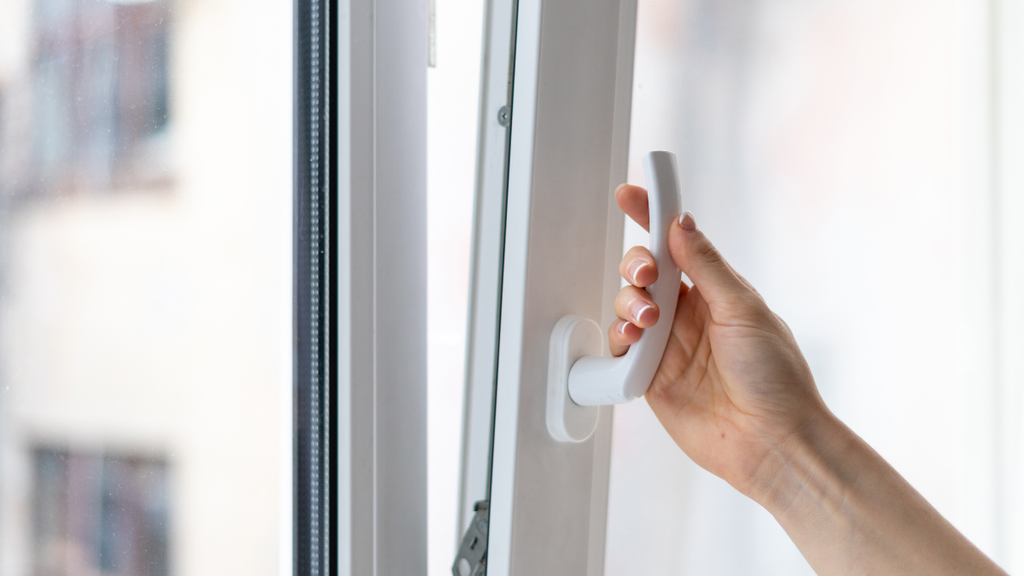
Because warmer surfaces are less likely to reach the temperature at which condensation forms, replacement windows may reduce water droplets on the glass and the associated risk of mould around the window area.
Good installation matters too. Properly sealed frames can help prevent draughts and rainwater penetration, while replacing deteriorated units may address faults that are contributing to localised damp.
Nevertheless, even efficient windows can develop condensation when indoor humidity is high. New glazing is therefore one part of managing moisture, rather than a guaranteed cure for damp throughout the property.
Why Is Ventilation Just as Important as New Windows?
Everyday activities release moisture into indoor air. Cooking, showering, washing and drying clothes can all raise humidity, especially when windows stay closed during winter. Without sufficient ventilation, that moisture remains inside and may settle on cooler surfaces.
Modern replacement windows generally provide a tighter seal than older installations. This improves comfort but makes planned ventilation particularly important. Trickle vents, where appropriate, can provide background airflow, while extractor fans in kitchens and bathrooms help remove moisture closer to its source.
Homeowners can also reduce condensation by using extractor fans consistently, keeping ventilation openings clear, drying laundry outdoors when practical and maintaining suitable indoor temperatures. A dehumidifier may help in some situations, although it should not replace adequate ventilation or necessary repairs.
If mould persists despite these measures, investigate the underlying cause rather than repeatedly cleaning the affected area.
Final Thoughts
New windows can help reduce condensation related damp by keeping internal glass surfaces warmer and addressing defective frames or seals. However, they cannot fix every moisture problem, and ventilation remains essential for a healthy indoor environment.
If your windows are ageing, draughty or showing signs of deterioration, a professional assessment can help establish whether repair or replacement is worthwhile. Bingley Windows & Glass supplies and installs modern double glazing designed to improve comfort and efficiency. Contact the team to discuss your existing windows and explore suitable options for your home.
If you’d like to book in an initial consultation you can contact our team using the contact form here, or call us on 01535 958 183 to arrange a free consultation.