
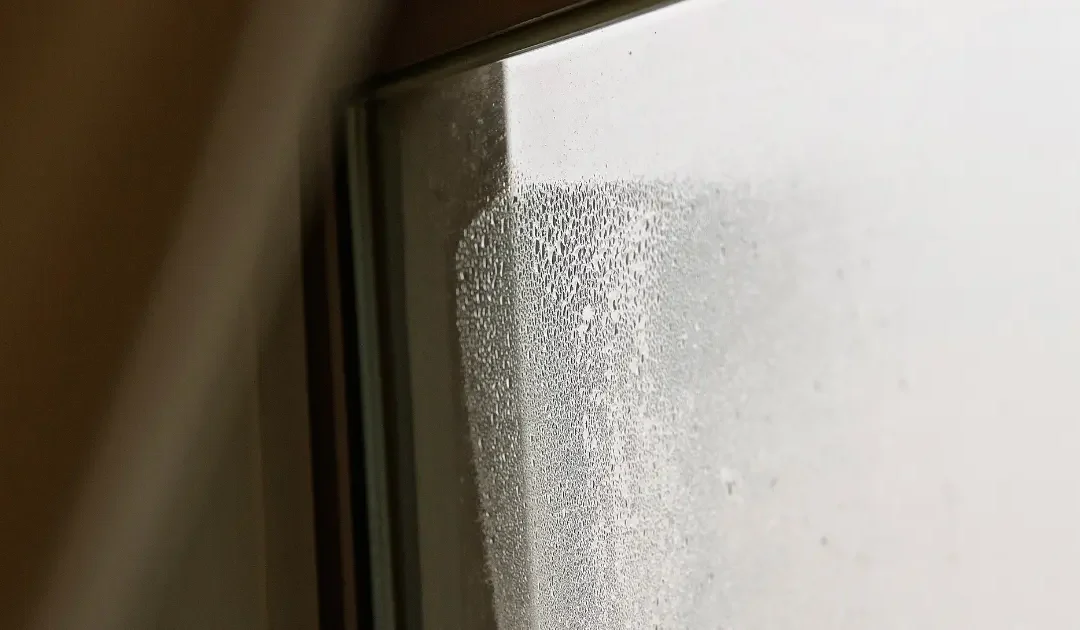
Blown double glazing is one of the most common problems homeowners experience with older windows. You may first notice it as misting or condensation trapped between the panes of glass, often making windows look cloudy or dirty no matter how much you clean them. While it can affect the appearance of your home, blown double glazing can also reduce energy efficiency and make rooms feel colder. Understanding what causes double glazed units to fail can help homeowners spot problems early and make better decisions when replacing windows.
Age and General Wear Over Time
One of the biggest causes of blown double glazing is simply age. Double glazed units are designed to last for many years, but they are not immune to wear and tear. Over time, the seals around the edge of the glass unit naturally begin to weaken. These seals are responsible for keeping moisture out and insulating gas in, helping the window perform efficiently.
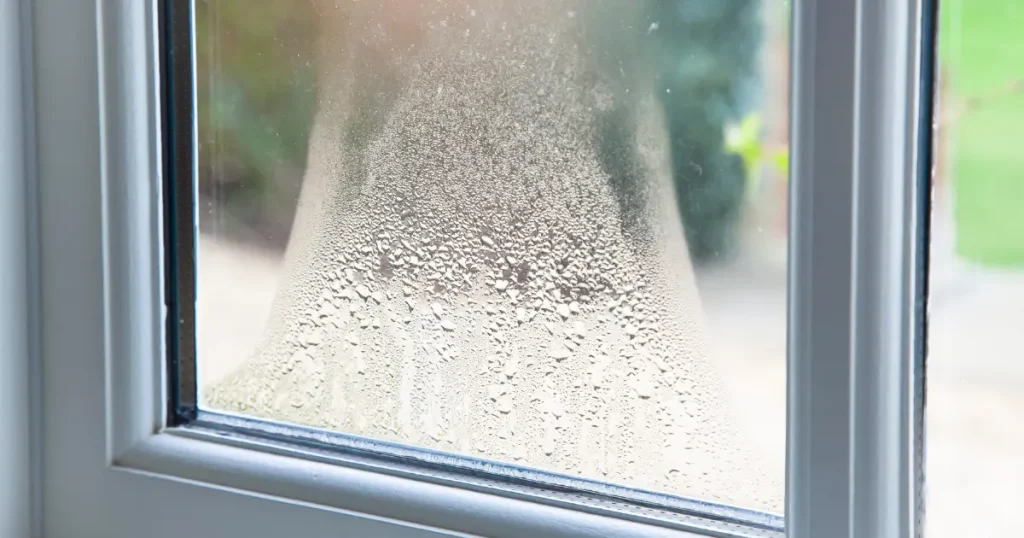
As windows go through years of changing temperatures, the materials expand and contract slightly. In the UK climate, this can happen constantly throughout the seasons. Eventually, this repeated movement can cause the seal to deteriorate, allowing moisture to enter between the panes of glass. Once this happens, condensation and misting often start to appear inside the unit.
Older windows may also become less energy efficient as the insulating properties reduce over time. If your windows are more than 15 – 20 years old and showing signs of condensation between the panes, it could be a sign that the sealed units are beginning to fail.
Poor Installation and Low-Quality Materials
Another common cause of blown double glazing is poor installation or the use of lower-quality materials. Even a well-manufactured double-glazed unit may fail early if it has not been fitted correctly. Incorrect installation can place unnecessary pressure on the glass or frame, which may eventually weaken the seals.
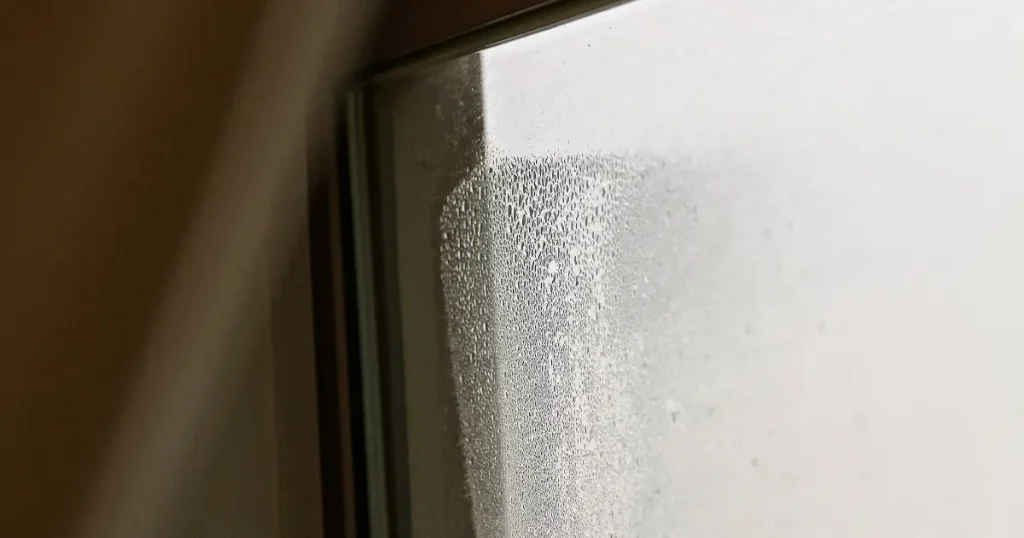
Poor alignment, inadequate support, or issues with ventilation around the frame can all contribute to premature failure. In some cases, moisture may be allowed to build up around the unit, increasing the risk of the seals breaking down.
The quality of the glazing unit itself also plays a major role in how long it lasts. Cheaper sealed units may use lower-grade materials or less effective sealants, meaning they are more vulnerable to temperature changes and general wear. This is why it is important to choose experienced installers and quality products when investing in new windows.
Well-fitted, high-quality uPVC windows are designed to provide long-lasting performance, helping homeowners avoid the inconvenience and cost of early glazing failure.
Weather Exposure, Damage, and Lack of Maintenance
The British weather can also take its toll on double glazing over time. Windows are exposed to rain, frost, wind, heat, and direct sunlight throughout the year, all of which can gradually weaken seals and frames. Homes in particularly exposed locations may experience faster wear due to harsher weather conditions.
Accidental damage can also lead to blown units. Even small impacts or movement in the surrounding frame may compromise the airtight seal around the glass. In some cases, issues with the property itself, such as minor structural movement, can place extra strain on windows.
A lack of maintenance can make matters worse. Blocked drainage channels, worn hinges, or damaged seals may allow water to collect around the frame, increasing the chance of moisture entering the unit. Regular cleaning and simple checks can help identify potential problems before they become more serious.
Final Thoughts
Blown double glazing is a common issue, particularly in older windows, but understanding the causes can help homeowners take action early. Age, poor installation, weather exposure, and lack of maintenance can all contribute to failed sealed units and condensation between panes.
The good news is that in many cases, the glass unit itself can be replaced without needing to replace the entire window frame. If you have noticed misting, condensation, or reduced performance from your windows, seeking professional advice can help you decide on the best solution for your home.
If you’d like to book in an initial consultation you can contact our team using the contact form here, or call us on 01535 958 183 to arrange a free consultation.