
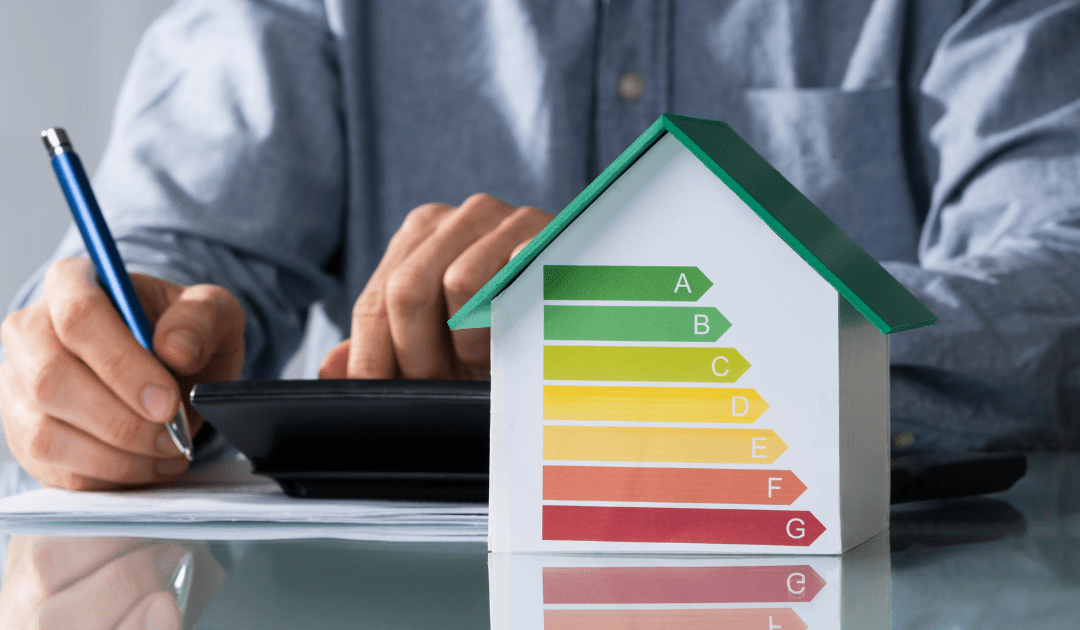
Energy Performance Certificates (EPCs) are an important part of the UK rental market. They measure how energy efficient a property is and provide tenants with an indication of likely energy costs. In recent years, EPC ratings have also become closely linked to legal requirements for landlords.
For landlords who already rent out property, or those considering investing in buy-to-let, understanding EPC regulations is essential. With government targets aiming to improve the energy efficiency of homes, landlords should be aware of the current standards and the potential changes expected in the coming years.
What Is an EPC and Why Does It Matter for Landlords?
An Energy Performance Certificate rates a property’s energy efficiency on a scale from A to G, with A being the most efficient and G the least efficient. The certificate includes an estimate of energy costs for the property and provides recommendations on how its efficiency could be improved.
Landlords must have a valid EPC before marketing a property for rent and must provide the certificate to prospective tenants. EPCs are valid for 10 years, although improvements to the property may justify obtaining a new assessment sooner.
EPC ratings are increasingly important to tenants as well. With energy costs being a key concern for many households, renters often look for properties that are easier and cheaper to heat. A stronger EPC rating can therefore make a property more attractive to potential tenants.
Current Minimum EPC Requirements for Rental Properties
Under the government’s Minimum Energy Efficiency Standards (MEES), rental properties in England and Wales must usually achieve at least an EPC rating of E. Properties rated F or G cannot normally be rented out unless an official exemption has been registered.
If a property falls below the minimum standard, landlords are expected to make reasonable improvements to increase the rating. Local authorities are responsible for enforcement and can issue financial penalties if landlords fail to comply.
Looking ahead, the government has proposed increasing the minimum standard to an EPC rating of C for new tenancies by 2028, and all tenancies by 2030. While final details may change, it is widely expected that energy efficiency requirements for rental homes will become stricter.
How Energy-Efficient Upgrades Can Improve EPC Ratings
Improving a property’s EPC rating usually involves reducing heat loss and improving overall energy efficiency. This can include measures such as better insulation, upgrading heating systems, or installing more efficient lighting.
Windows can also play a significant role in a property’s energy performance. Older or poorly insulated windows allow heat to escape, making homes harder and more expensive to heat. Installing modern uPVC double glazing can help improve insulation, reduce draughts, and contribute positively to an EPC rating.

For landlords planning long-term investments, upgrading windows and doors can be a practical step towards meeting future energy efficiency standards while also improving comfort for tenants.
Final Thoughts
EPC regulations are becoming increasingly important for landlords across the UK. At present, most rental properties must achieve a minimum EPC rating of E, but proposed changes could require a rating of C by 2030.
For landlords, reviewing the current EPC rating of their property and considering potential upgrades early can help avoid compliance issues later. Improvements such as insulation, heating upgrades, and modern double glazing can all help increase energy efficiency while making properties more attractive to tenants.
If you want to find out more or book an assessment of your investment property, you can contact our team using the contact form here, or call us on 01535 958 183 to arrange a free consultation.